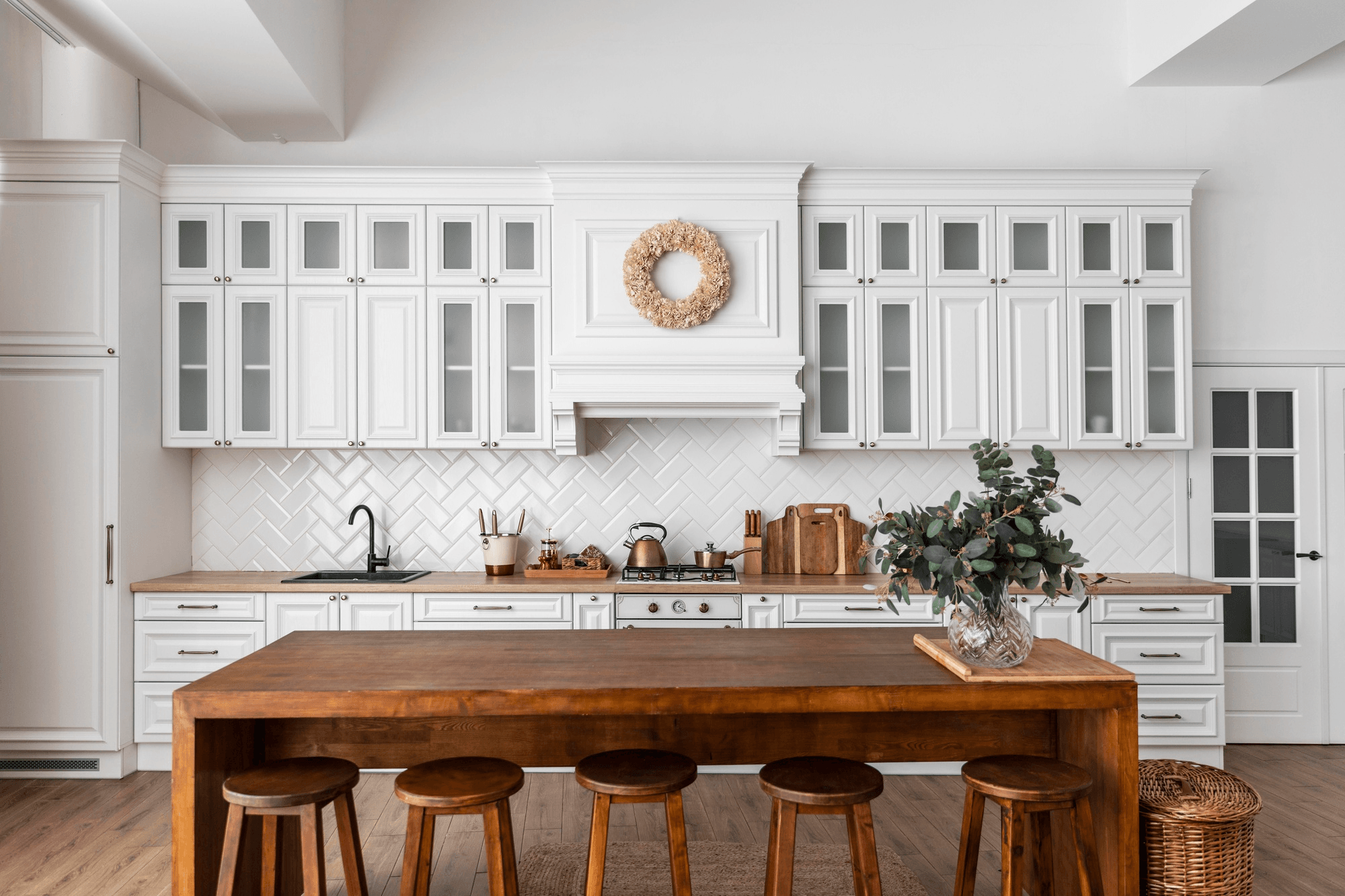
Quartzite starts deep in the earth as quartz-rich sandstone. Over time, intense heat and pressure transform that sandstone into a dense natural stone with a hard mineral structure. That formation process is one reason this surface is valued for kitchens, bathrooms, and other busy spaces.
The strength of the stone is not added in a factory. It comes from the way the material forms naturally. When the stone is later quarried, cut, polished, and installed, fabricators are working with a surface that is already dense and strong.
For homeowners comparing a kitchen countertop, quartzite can be attractive because it combines natural movement with strong everyday performance. It has the look of stone and the toughness needed for daily cooking, cleaning, and family use.
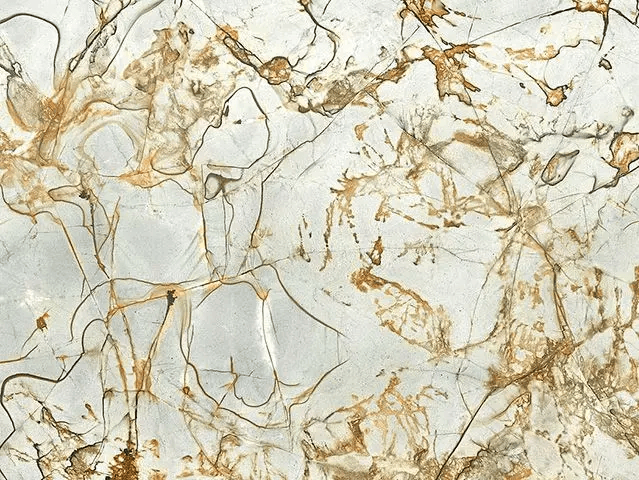
Each slab has its own movement, color, veining, and mineral details. This gives the finished counter a custom appearance, while the dense structure helps it handle active spaces better than many softer surfaces.
How Is Natural Quartzite Turned Into Countertop Slabs?
The process begins at the quarry, where large blocks of stone are removed from the earth. These blocks are heavy and must be handled carefully to preserve the natural structure and pattern of the material.
After quarrying, the blocks are cut into thinner slabs. Specialized saws are used to create large flat pieces that can later become counters, islands, vanities, fireplace surrounds, and other interior surfaces.
The slabs are then polished or finished to create the desired surface texture. A polished finish can bring out color and movement, while other finishes may create a softer or more natural look.
Each slab is inspected for cracks, weak areas, color consistency, and overall appearance. This step helps fabricators choose the best sections for a project and avoid problems during installation.
Once the slabs are approved, they are stored and handled with care until a homeowner chooses a specific piece. The selected slab is then matched with the project layout so the best areas of the stone can be used where they will be seen most.
What Happens During Quartzite Countertop Fabrication?
Before the slab is cut for a home, the project needs accurate measurements. A template shows the exact size, shape, sink location, cooktop location, seams, and edge details.
During countertop fabrication, the slab is customized for the room. Fabricators cut the material to match the template and prepare openings for sinks, faucets, cooktops, and other features.
The edges are shaped and polished based on the selected design. Straight, eased, beveled, and more decorative profiles can all change the final appearance of the counter.
Some kitchens need more than one stone piece. In those cases, fabricators plan the seams carefully so the surface looks clean and the layout feels intentional.
After cutting and finishing, the pieces are checked again before delivery. Good preparation helps the installers place the stone correctly and achieve a clean finished result.
How Are Quartzite Countertops Cut and Shaped?
Quartzite is very hard, so it requires professional cutting equipment. Fabricators use tools designed for dense stone so the cuts remain accurate and the risk of damage is reduced.
The template guides each cut. It helps the team account for walls, appliances, cabinets, seams, corners, and cutouts. Precision matters because even small errors can affect the final fit.
Sink openings, cooktop cutouts, corners, and narrow strips need special care. These areas can be more vulnerable during cutting, transport, and installation.
After shaping, edges are polished to match the rest of the slab. This makes the final counter feel smooth, complete, and ready for daily use.
What Makes Quartzite Hard and Durable?
Quartzite contains a high amount of quartz, one of the harder minerals commonly found in stone surfaces. This mineral structure helps explain why the surface can perform well in active homes.
The pressure that forms quartzite creates a compact surface. This density helps make the stone highly resistant to many types of everyday wear, including light scratches and general use.
Quartzite is often selected as one of the more durable countertops for kitchens. It can handle normal activity well, but homeowners should still use trivets, cutting boards, and common-sense care.
Even a strong countertop material needs care. Proper sealing can help protect the stone from stains and moisture, especially around sinks, cooking areas, and high-use zones.
Good countertop maintenance is simple. Wipe spills promptly, clean with a stone-safe product, avoid harsh chemicals, and follow the installer’s recommendations for resealing.
East Coast Granite of Charlotte can help homeowners compare natural stone options, review slab samples, and understand quartzite benefits before making a final selection. With the right material and professional fabrication, this surface can provide long-lasting beauty and strong performance.